Morrow County, Oregon, has recorded nitrate readings as high as 73 parts per million (ppm) in household wells—more than ten times the state's legal ceiling of
Not just that “Amazon bad” but they’re being subsidised to ruin the local ecology, drive up prices for residential consumers, who won’t see any benefit from the server farm.
Amazon is given way too much leeway when it comes to their server infrastructure. I get that that infrastructure is vital - I myself use AWS, my work extensively uses AWS services wherever possible, 2/3 of the internet relies on it in some form.
The problem is that Amazon is profiting off of it like there’s no tomorrow while doing fuck-all for the surroundings of their server farms, or the quality of life for their workers and so on. Stop giving Bezos tax breaks, stop subsidising Amazon’s crap, make them pay for their fair share is all most people want.
Cool, agreed. They don’t pay nearly their fair share.
Yet here they’re being blamed for something that seems isn’t their fault. They’re not actively working to fix the issue, but considering they’re a tiny fraction (looks like only ~0.1% impact in the overall area according to some articles) of the cause, the articles attacking them seen a bit ridiculous. Amazon needs to pay for the things they do. Blaming them for shit that isn’t their fault just means losing credibility.
The Amazon datacenter is concentrating the nitrates more in the water that they use, yes, that is the nature of how the water usage works and evaporates. But the nitrate concentration was already above Oregon state limits in 1992, and some wells in 2015 had ~20% higher readings than the water coming out of the datacenter now a decade after that. That certainly doesn’t seem to correspond to the datacenter being the major contributor. And the original article says as much, saying it’s primarily from agriculture and drought.

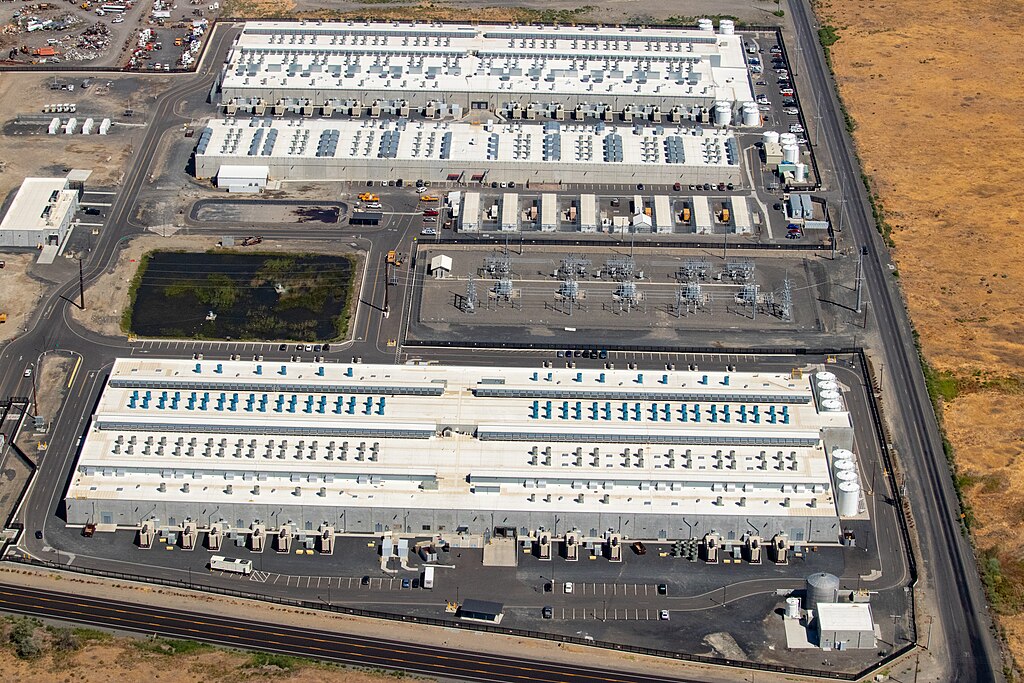
Not just that “Amazon bad” but they’re being subsidised to ruin the local ecology, drive up prices for residential consumers, who won’t see any benefit from the server farm.
Amazon is given way too much leeway when it comes to their server infrastructure. I get that that infrastructure is vital - I myself use AWS, my work extensively uses AWS services wherever possible, 2/3 of the internet relies on it in some form.
The problem is that Amazon is profiting off of it like there’s no tomorrow while doing fuck-all for the surroundings of their server farms, or the quality of life for their workers and so on. Stop giving Bezos tax breaks, stop subsidising Amazon’s crap, make them pay for their fair share is all most people want.
Cool, agreed. They don’t pay nearly their fair share.
Yet here they’re being blamed for something that seems isn’t their fault. They’re not actively working to fix the issue, but considering they’re a tiny fraction (looks like only ~0.1% impact in the overall area according to some articles) of the cause, the articles attacking them seen a bit ridiculous. Amazon needs to pay for the things they do. Blaming them for shit that isn’t their fault just means losing credibility.
The Amazon datacenter is concentrating the nitrates more in the water that they use, yes, that is the nature of how the water usage works and evaporates. But the nitrate concentration was already above Oregon state limits in 1992, and some wells in 2015 had ~20% higher readings than the water coming out of the datacenter now a decade after that. That certainly doesn’t seem to correspond to the datacenter being the major contributor. And the original article says as much, saying it’s primarily from agriculture and drought.